Commercial Moves in Notting Hill
If you are planning commercial moves in Notting Hill, you are probably trying to balance three things at once: keeping disruption low, protecting equipment and stock, and getting your business up and running again with as little downtime as possible. That is especially important in Notting Hill, where busy streets, mixed-use buildings, period properties, tight access, and parking restrictions can all make an office or shop move more complex than it first appears.
Whether you are moving a creative studio near Portobello Road, relocating a boutique from a terraced street off Westbourne Grove, transferring a consultancy into a nearby workspace, or clearing out a small commercial unit for refurbishment, a local moving team can make a real difference. The right service is not just about lifting boxes; it is about planning the job carefully, handling commercial furniture and equipment safely, and making sure your move works around local conditions.
This page is designed for local customers who want a practical, reliable service and clear information before they enquire. It explains what is included, how the move usually works, what affects pricing, how to prepare, and why choosing a team familiar with Notting Hill can save time and stress. If you are comparing options for an office relocation, retail move, or business premises transfer, you will find useful details here.
Why Commercial Moves in Notting Hill Need Local Planning

Notting Hill has a distinctive layout that can make business removals more demanding than moves in more open commercial districts. Streets can be narrow, parking can be limited, and many properties sit within converted townhouses, mixed residential-commercial buildings, or upper-floor spaces accessed by tight stairways. That means a local move often depends on timing, route planning, and knowing how to work efficiently in busy neighbourhood conditions.
For businesses, downtime matters. A shop, office, agency, gallery, clinic, design studio, or hospitality premises may need to close for only a short window. A carefully coordinated moving plan helps reduce disruption by splitting the job into stages, protecting access routes, and ensuring critical items such as computers, files, stock, display units, and specialist equipment are prioritised.
Local knowledge also helps when dealing with practical issues such as waiting restrictions, loading space, and the need to work around traffic on busy routes near Ladbroke Grove, Holland Park, Paddington, Bayswater, and Kensington. A team used to commercial removals in West London will often know how to approach the day so that it runs more smoothly from the start.
Who Our Commercial Moving Service Is For

Commercial relocations are not one-size-fits-all. Different businesses need different handling, and a good moving service should adapt to your layout, equipment, and schedule. In Notting Hill, we commonly support businesses that need a professional, organised move with minimum disruption to staff and customers.
- Offices and studios moving desks, chairs, filing systems, IT equipment, and meeting room furniture
- Retail stores and boutiques relocating stock, shelving, display fixtures, and point-of-sale items
- Cafes, restaurants, and hospitality spaces shifting equipment, furniture, and boxed contents
- Clinics, therapy rooms, and wellness practices needing careful handling of furniture and sensitive items
- Creative and media businesses with artwork, samples, production gear, and fragile assets
- Landlords and property managers needing an efficient commercial clearance or office strip-out
Many Notting Hill businesses are based in attractive but older premises, which often means narrow corridors, awkward staircases, delicate finishes, and limited lift access. A moving team that understands these conditions can help reduce the risk of damage while keeping the workflow efficient. Commercial moves in Notting Hill should feel organised, not rushed.
It also helps if the service is flexible enough to handle phased moves. Some businesses prefer an evening or weekend relocation to avoid interrupting the working day, while others need items moved in stages to allow departments to continue operating. A practical service should be able to support either approach.
What Is Included in a Commercial Move

Every business move is different, but most commercial removals include a combination of planning, packing, lifting, transportation, and placement at the new premises. The exact service can be tailored to the size of your business and the amount of equipment you have.
Typical elements of a commercial moving service may include:
- Pre-move discussion to understand the layout, timings, and access points
- Loading and unloading of office furniture, stock, or equipment
- Careful handling of fragile, bulky, or awkward items
- Disassembly and reassembly of desks, tables, shelving, or modular units where needed
- Transport of boxed contents, archives, and business essentials
- Placement of items in the correct rooms or areas at the destination
- Support with small commercial clearances or end-of-lease removals
Some businesses also need help with packing materials, labelling, and sequencing, so that the most important items are ready first. That can be especially valuable if you are working to a tight reopening schedule. A well-planned move should help your staff settle in faster and avoid the confusion that can happen when boxes arrive without a clear system.
Tip: if you have sensitive documents, hardware, or specialist stock, it is worth setting aside these items in advance so they can be moved separately and tracked more easily. In a busy commercial relocation, that kind of preparation makes a big difference.
How Commercial Moves in Notting Hill Usually Work
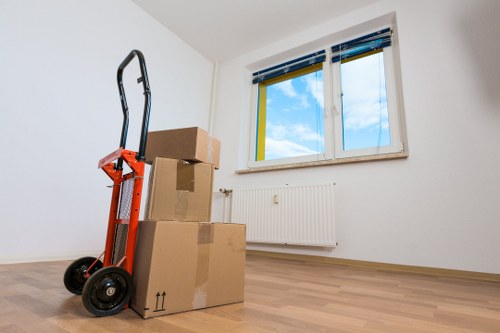
The process starts with understanding the move itself. A local team will usually want to know what type of business you run, how much needs to be moved, whether there are stairs or lifts, and how easily vehicles can access both ends of the journey. In Notting Hill, these details matter because access can vary block by block and building by building.
A straightforward commercial move often follows these stages:
- Initial enquiry and move discussion – you explain what needs moving, the timing, and the premises involved.
- Planning and scheduling – the job is arranged around your opening hours, staff availability, and access conditions.
- Preparation – items are boxed, labelled, and separated according to priority.
- Moving day – furniture, equipment, and contents are loaded with care and transported safely.
- Placement and setup – items are delivered to the right rooms or zones to help you restart quickly.
For larger or more complex business relocations, a phased approach may be best. That could mean moving non-essential items first, then transferring critical equipment later once the new space is ready. This is particularly useful for offices and retail environments where work needs to continue during the transition.
If you are managing the move as a business owner or office manager, it helps to designate one point of contact inside your team. That makes communication simpler and avoids duplicated instructions on the day. A structured process keeps everyone focused and reduces delays.
Preparing for a Business Move

Good preparation is one of the easiest ways to keep a commercial move calm and efficient. When items are organised ahead of time, the moving team can work faster and with fewer complications. This matters in Notting Hill, where access windows may be limited and parking conditions can make every extra minute important.
Here is a practical preparation checklist for businesses:
- Confirm the moving date and any building access arrangements
- Tell staff what they are responsible for packing or clearing
- Back up important digital files before equipment is disconnected
- Label boxes clearly by department, room, or priority
- Separate fragile, confidential, or high-value items
- Empty desks, cabinets, and storage areas in advance
- Measure larger furniture to check it will fit through doors and stairways
- Notify landlords, building managers, or neighbours if needed
It is also sensible to consider how your old and new spaces differ. Period offices and converted buildings in Notting Hill may have narrow halls or split-level layouts, while newer commercial units may offer easier access but still require careful coordination. Knowing the layout in advance helps your moving team choose the safest route for bulky items.
Useful point: if your business uses specialist kit, such as screens, audio gear, display racks, or treatment equipment, keep the original instructions and any detachable parts together. The more organised the move, the easier it is to set everything up again.
Pricing Factors for Commercial Removals
Business customers often want to know what affects the cost of a commercial move before they request a quote. While exact pricing depends on the details of the job, there are several common factors that shape the overall estimate.
These may include:
- The size of the premises and the volume of items being moved
- Whether the move involves furniture assembly or dismantling
- How far the journey is between the old and new locations
- Access challenges such as stairs, lifts, narrow entrances, or loading restrictions
- Whether the move needs to take place out of hours or over multiple phases
- The need for packing support, specialist handling, or extra labour
- Any clearance work required at the old site
In Notting Hill, access is often one of the biggest considerations. A property with limited parking or a difficult approach may need extra planning time, while a ground-floor shop on a more accessible street may be easier to handle. If your business has a strict timeline, it is worth being upfront about it early so the move can be organised around those needs.
When comparing services, look beyond headline figures. A lower quote may not include the level of planning, handling, or placement support your business actually needs. The right approach is to ask what is included, how the team handles access issues, and whether the quote reflects the full scope of work.
Why a Local Notting Hill Team Is a Smart Choice
There are real benefits to choosing a team that regularly works in and around Notting Hill. Local experience can make the move more efficient, especially when streets are busy and the surrounding area includes a mix of residential homes, creative spaces, shops, and offices.
Local advantages that matter
A nearby team is more likely to understand common access issues, delivery patterns, and parking limitations around areas such as Westbourne Grove, Ladbroke Grove, Notting Hill Gate, Holland Park, Bayswater, Kensington, and North Kensington. That familiarity can reduce delays on moving day and make planning more realistic.
Local service can also be useful if your business is moving within the area rather than across London. Shorter travel distances may allow for a more flexible schedule, which is helpful if you are moving in stages or need repeat trips for stock, archives, or equipment.
Most importantly, a local commercial moving service tends to be better placed to support the kind of premises common in this part of West London: converted terraces, upper-floor workspaces, boutique retail units, and mixed-use buildings. These are not just “any” commercial properties; they often need a careful, responsive approach.
What customers usually value most
Reliability, clear communication, safe handling, and a realistic move plan are usually the priorities. Businesses want to know that their furniture and equipment will be treated properly and that their new location will be set up in a practical way. A local team that understands the area can support those priorities without adding unnecessary complexity.
Commercial Property Types in and Around Notting Hill
Notting Hill has a mix of property styles that can affect how a commercial move is carried out. Businesses often work from locations that are attractive, characterful, and well positioned for clients, but those same features can create moving challenges.
Examples of common property types include:
- Converted townhouses used as offices, studios, or consulting rooms
- Retail units on busier streets with limited loading space
- Upper-floor premises requiring stair access or lift coordination
- Mixed-use buildings where commercial and residential access must be handled carefully
- Smaller workspace environments where storage and access are tight
Each type brings its own moving considerations. For example, a retail move may need careful coordination to avoid damage to displays or stock, while an office relocation may focus more on computer equipment, filing, and furniture placement. A clinic or treatment space may need more careful handling of layout-sensitive items. The service should be shaped around those needs rather than forced into one fixed method.
If you are unsure how your building will affect the move, it is helpful to walk through the route from entry point to destination before the day arrives. That simple step can reveal whether items need to be dismantled, whether certain pieces should be moved first, or whether extra protection is needed for walls and floors.
How to Keep Business Downtime Low
For many companies, the biggest concern is not the physical move itself, but the time lost while moving is under way. A good commercial relocation should be designed to keep downtime to a minimum and help your team resume normal operations as soon as possible.
There are several ways to do that:
- Move outside core trading hours where possible
- Pack and label key items so they can be unloaded first
- Use a staged move for departments that must stay active
- Protect critical equipment and documents in separate boxes
- Prepare the new premises in advance so items can be placed immediately
- Keep one person responsible for decisions during the move
In a busy area like Notting Hill, timing matters. If your business depends on customer appointments or footfall, even a short disruption can affect the day. That is why many companies choose a weekend or evening move, or arrange the relocation around quieter trading periods.
Book early if your move date is fixed. The more notice you give, the easier it is to plan the right vehicle size, staffing, and schedule. If you need flexibility, ask about phased support rather than assuming everything must happen in one single trip.
What Makes a Good Commercial Moving Service?
When choosing between providers for commercial moves in Notting Hill, it helps to look for a service that is organised, practical, and responsive to your business needs. The best fit is usually not the one that sounds the most generic, but the one that asks the right questions and understands the environment you are working in.
Signs of a good fit
You may want to look for the following:
- Clear discussion of access, timings, and building requirements
- Experience with office, retail, and mixed commercial spaces
- Careful handling of furniture, stock, files, and equipment
- Ability to work around narrow streets and restricted parking
- Flexible planning for out-of-hours or staged moves
- Practical communication that keeps the day on track
It is also worth choosing a team that understands the difference between commercial and domestic moving. Business relocations often involve more coordination, more fragile equipment, and higher pressure to complete the work quickly. A service that recognises those differences is better placed to support your move properly.
For local customers, confidence often comes from preparation rather than promises. A provider that explains how they will handle access, protect surfaces, and organise the move is usually a safer choice than one that offers vague assurances.
Areas Covered Around Notting Hill
Commercial customers in Notting Hill often need support not only in the central neighbourhood itself, but also in the surrounding West London area. That is especially true for businesses that are moving between nearby office districts, retail streets, or mixed-use buildings.
Local service can cover nearby areas such as:
- Notting Hill Gate
- Westbourne Grove
- Ladbroke Grove
- Holland Park
- Bayswater
- Kensington
- Paddington
- North Kensington
- Maida Vale
If your move starts in Notting Hill and ends in one of these nearby locations, or vice versa, a local team can often plan the route more efficiently. Even a short-distance move can involve complicated access conditions, so the advantage is not just distance; it is familiarity with the streets, timing, and typical building layouts.
Businesses outside this list may still be covered depending on the job, but the most useful support for local customers usually comes from a team that already knows the area well and can respond to practical issues quickly.
FAQs About Commercial Moves in Notting Hill
How far in advance should I book a commercial move?
It is best to book as early as you can, especially if you need a specific date, weekend move, or out-of-hours slot. Early booking also helps with planning access and staffing.
Can you move office furniture and IT equipment?
Yes, most commercial moves involve desks, chairs, filing units, screens, and equipment. Sensitive items should be prepared carefully, and digital data should be backed up before the move.
What if my building has no easy parking or loading access?
That is common in Notting Hill. A local team can plan around restrictions by selecting the best time, coordinating loading, and choosing the safest approach for the property.
Do you handle retail stock and display fixtures?
Yes, retail relocations often include stock, shelving, fixtures, and display items. These need careful packing and sequencing so the new premises can reopen efficiently.
Can the move be done outside normal business hours?
In many cases, yes. Evening or weekend moves are often preferred by businesses that want to reduce disruption during trading hours.
What should I do before moving day?
Label boxes, clear desks, protect confidential files, back up important data, and confirm access arrangements. A preparation checklist makes the move far easier.
Are commercial clearances available?
Depending on the job, businesses may also need help clearing old furniture, office contents, or unwanted equipment from a premises. This can often be arranged as part of the move plan.
How do I get a quote?
Request a free quote by sharing the type of business, the size of the premises, the move date, and any access details. The more information you provide, the more accurate the estimate can be.
Making the Move Easier for Staff and Customers
For a business, the move is not only about transporting objects. It is also about helping staff feel prepared and making sure customers experience as little interruption as possible. A calm transition usually starts with clear communication inside the business.
Some useful steps include:
- Announce the move timeline early to your team
- Assign packing responsibilities by department
- Keep important day-one items separate and easy to access
- Prepare signage or instructions for the new premises
- Arrange the order of items based on what you need first
For customer-facing businesses in Notting Hill, presentation matters too. The new space should be ready to function quickly, whether that means setting out consultation rooms, arranging retail displays, or reconnecting workstations. The smoother the move, the faster you can return to normal service.
Need a practical, local move plan? Contact us today to discuss your business relocation and request a free quote. If you are ready to move, book your service now and take the stress out of the process.
Final Thoughts on Commercial Moves in Notting Hill
Relocating a business in Notting Hill is always easier when the move is planned around the realities of the area. Tight streets, restricted parking, older building layouts, and busy mixed-use surroundings all create challenges that benefit from careful preparation and local experience. A well-managed move protects your equipment, helps your team stay organised, and reduces the disruption that can affect trading.
Whether you are relocating a small office, moving retail stock, transferring a studio, or clearing a commercial space for the next phase of your business, the right support can make the process feel controlled and manageable. The goal is not simply to move items from one place to another, but to help your business settle quickly into its next location.
If you are planning commercial moves in Notting Hill and want a service that understands local access issues, business priorities, and practical timelines, now is a good time to request a free quote. Contact us today to talk through your move, and book your service now when you are ready to get started.