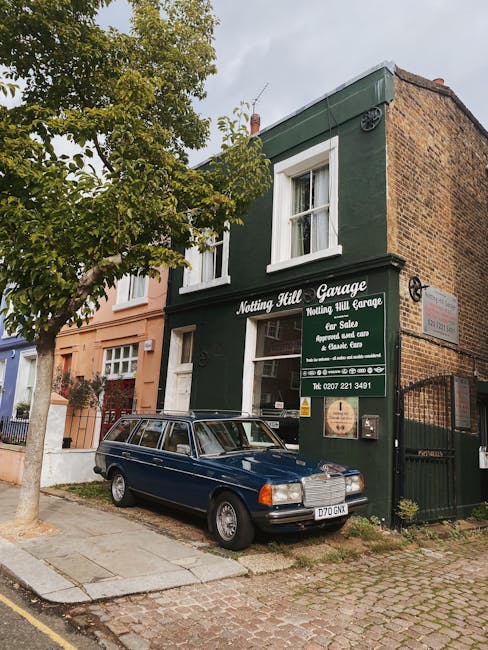
Parking Suspensions and Moving Vans in Notting Hill W11
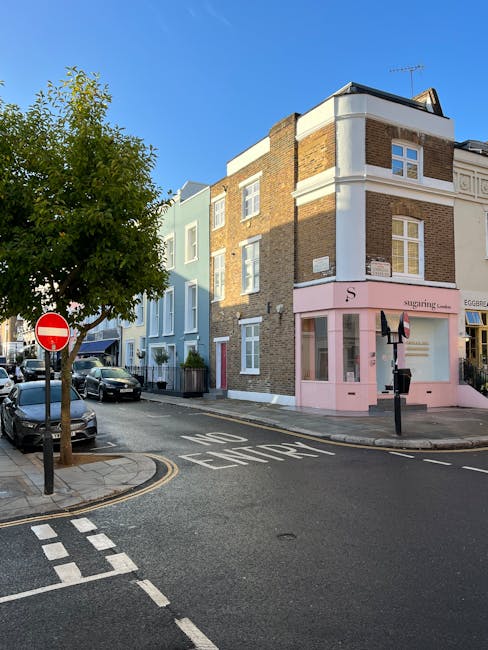
If you are trying to organise a move in Notting Hill, you will already know the tricky part is often not the boxes, it is the kerb space. Parking Suspensions and Moving Vans in Notting Hill W11 can make the difference between a smooth load-in and a miserable morning spent circling for a legal place to stop. In a district with tight streets, busy daytime traffic, resident bays, and occasional roadworks, a little planning goes a long way. This guide explains how suspensions work, why they matter, and what to do so your van, crew, and furniture all arrive without unnecessary drama.
Why Parking Suspensions and Moving Vans in Notting Hill W11 Matters
In Notting Hill W11, parking is rarely simple. That is the honest version. Streets can be narrow, loading areas may be limited, and one badly parked van can block the whole rhythm of a move. A parking suspension gives you a reserved stretch of road where stopping is controlled, usually so a moving van, removal truck, or other essential vehicle can operate without competing for space.
For moving day, that reserved space is not a luxury. It can be the difference between carrying a wardrobe 40 metres or 140 metres. You feel that difference in your back, your timings, and, let's face it, your mood. If you are moving out of a top-floor flat, or into a house where stairways are narrow and the front door opens onto a busy street, a suspension can turn a chaotic job into a manageable one.
It also helps protect other people using the road. A vehicle that is properly positioned is less likely to block access, create conflict with neighbours, or force the crew into unsafe manual handling over a long distance. That matters whether you are booking a full home move, arranging flat removals, or just using a man and van service for a smaller load.
Expert summary: In a place like Notting Hill, good parking planning is not just about convenience. It is about access, safety, timing, and protecting the whole move from small delays that snowball fast.
How Parking Suspensions and Moving Vans in Notting Hill W11 Works
At a practical level, a parking suspension is a temporary restriction placed on a parking bay or part of the street. It tells other drivers not to use that space for the period covered. For a moving van, this creates a controlled zone for loading, unloading, or positioning a larger vehicle close to the property.
The exact process can vary depending on the street, the timing, and the local rules in force at the time of the move. In normal UK practice, you should not assume that a van can simply stop where it likes because it is a moving day. The safer approach is to check what is allowed, confirm the duration you need, and make sure the vehicle size matches the access available.
That last part is often overlooked. A suspension may be in place, but if the van or lorry is too large for the road geometry, you can still end up with a headache. In our experience, the best results come from matching the vehicle to the property rather than trying to force a big truck into a small street. Sometimes a smaller removal van is the smarter choice than a larger moving truck.
Here is the core sequence, in plain English:
- Check the property access and street layout.
- Decide whether a suspension, a loading arrangement, or both are needed.
- Book the move early enough to avoid last-minute scrambles.
- Confirm the vehicle type and arrival window.
- Prepare the route from door to vehicle so the team can work quickly.
Sometimes the best solution is not a huge truck at all, but a well-timed smaller vehicle and a good team. That is where services like man with van or man with a van can be genuinely useful for tighter streets and lighter moves.
Key Benefits and Practical Advantages
The main benefit of arranging proper parking space for a moving van is obvious: access. But the real value goes beyond that one word. Better access affects speed, safety, cost, and even how calm the day feels.
- Shorter carrying distance: Less walking between the property and the vehicle means less fatigue and less handling risk.
- Faster loading and unloading: A van close to the entrance reduces wasted time.
- Less disruption to neighbours: A tidy setup creates fewer arguments and fewer awkward pauses in the street.
- Better protection for items: Fewer long carries through rain, mud, or crowded pavements means lower damage risk.
- More predictable scheduling: Moving teams can work to a cleaner plan when parking is secured or clearly managed.
There is also a hidden benefit: confidence. When the van is where it should be, the rest of the day starts to feel under control. And on moving day, that counts for a lot. If you have ever watched a sofa hovering halfway out of a front door while someone jogs off to move a car, you will know exactly what I mean. Not ideal, to be fair.
For larger or more structured jobs, parking planning supports broader move logistics too. It helps with office removals, commercial moves, and even specialist jobs like piano removals, where careful handling and close vehicle access are especially important.
Who This Is For and When It Makes Sense
Parking suspensions are not for every move, and they are not always worth the effort. But in Notting Hill W11, they make sense more often than people expect. If your property sits on a busy road, if loading space is limited, or if you are moving a large volume of furniture, they deserve serious consideration.
They are especially relevant for:
- Residents in mansion blocks or upper-floor flats with tight street access
- Families moving in or out of terraced homes with narrow frontages
- Businesses needing early-morning or same-day turnaround
- Students moving with a few boxes, but no easy parking nearby
- Anyone arranging bulky furniture collection or disposal
If you are only moving a few bags and small boxes, a parking suspension may be unnecessary. In that case, a lighter service such as student removals or a small man and van arrangement may be enough. But once there is a sofa, a bed frame, or a stack of wardrobes in the mix, access starts to matter a great deal.
It also makes sense if you are dealing with storage transfers, because items leaving one property and going into storage still need clean loading space. A rushed roadside transfer is where scratches and stress often begin. Nobody wants that.
Step-by-Step Guidance
Here is a practical way to plan the move without overcomplicating it.
- Assess the street first. Look at bay markings, curb width, corner visibility, and whether there is room for a van to stand without blocking traffic. A quick walk on a weekday morning can tell you more than a dozen assumptions.
- Map the access from door to van. Think about stairs, lifts, intercoms, basement steps, and whether there is a long carry through a hallway or courtyard.
- Choose the right vehicle. A small van may be quicker and easier on a narrow road than a large lorry. If the load is heavy or awkward, a bigger vehicle may still be appropriate. It depends on the job, not just the postcode.
- Book services in the right order. If you need packing, arrange that before moving day. If you need a parking suspension or similar access control, get that sorted early too. You do not want admin rushing the actual move.
- Prepare the property. Keep doors clear, label boxes, remove loose obstacles, and separate items that must go first. If the team has to wait while you find keys or clear hallways, time slips quickly.
- Confirm arrival timing. Ask for a realistic window rather than a vague promise. In London, traffic can shift a plan by 15 minutes without warning. That is just life here.
- Keep essentials separate. Kettle, chargers, documents, medication, and a change of clothes should travel with you if possible. A move feels far less stressful when the essentials are not buried in the truck.
If the move is time-sensitive, consider whether same day removals are appropriate. They are not always the answer, but for urgent access issues, a quick-response approach can be helpful.
Expert Tips for Better Results
Small decisions make a surprisingly large difference. That is the truth of moving in a dense area like Notting Hill. The following tips come from the sort of things that save time on the day, not just in theory.
- Use the shortest sensible vehicle possible. If the street is tight, a mid-sized van may be easier than a truck, even if the latter looks more efficient on paper.
- Check both ends of the move. People often focus on the departure address and forget that the destination may be just as awkward.
- Label for sequence, not just room. Mark the boxes that need to come out first and the items that should be loaded last.
- Protect access paths. Put down covers or protection if floors are delicate, especially in older buildings with polished surfaces and narrow landings.
- Keep one person free for decisions. Someone should be available to answer questions, sign off on load order, and handle surprises. There is always a surprise. Usually two.
If you are moving from a flat with lots of furniture and little storage in-between, it may be worth combining the move with packing and unpacking services. That can reduce the number of fragile handovers, which is one of the sneaky causes of damage.
And yes, it helps to keep the kettle visible. You laugh, but the first cup of tea after a long load-in can make the whole afternoon feel kinder.
Common Mistakes to Avoid
There are a few mistakes that keep showing up, and they are very avoidable if you know what to look for.
- Leaving parking planning too late. This is the big one. By the time you realise space is limited, options may already be gone.
- Booking a vehicle that does not suit the street. Bigger is not always better in Notting Hill.
- Assuming the team can "just find somewhere." That attitude creates delays and can disrupt the entire schedule.
- Not telling neighbours or building management. A little communication goes a long way, especially where access is shared.
- Forgetting about large or awkward items. Wardrobes, pianos, and oversized sofas need more room and more care than ordinary boxes.
Another common problem is underestimating the role of packing. Poorly packed items take longer to handle, and they are more likely to break when the van is parked a little further away than expected. That is why some customers choose packing and boxes support before moving day.
Truth be told, a lot of moving stress is self-inflicted by one rushed decision. Usually the parking one.
Tools, Resources and Recommendations
You do not need a complicated toolkit, just a few sensible things that make the day easier. The best tools are often basic.
- Measuring tape: Helpful for checking whether furniture will fit through doors, lifts, and hallways.
- Box labels and marker pens: Clear labelling saves time at both ends of the move.
- Floor protection: Especially useful in shared buildings and period properties.
- Rope, straps, and blankets: Useful for keeping items secure during transit.
- Inventory list: Simple, but very useful when several rooms are being moved at once.
As for service support, the most useful pages are often the practical ones. If you are comparing moving help, look at removal services, removals, and removal companies to understand the kind of support available for local moves. For more specific transport needs, removal truck hire can be relevant when you need a larger vehicle with more capacity.
If budget is a concern, compare services carefully rather than chasing the lowest headline figure. A slightly more suitable vehicle, a better parking plan, or a more experienced crew can be cheaper in the long run than a bargain option that turns into a mess halfway through the day. The cheap quote is not always the cheap move.
Law, Compliance, Standards, or Best Practice
When parking suspensions and moving vans are involved, the main thing is to follow local rules and use good judgement. You should not park or stop in a way that creates danger, blocks access, or ignores restrictions. That sounds obvious, but moving day can make obvious things suddenly very easy to forget.
Best practice usually includes:
- Checking access and restrictions before booking the vehicle
- Making sure the move plan does not obstruct pedestrians or emergency access
- Using appropriate lifting methods to reduce injury risk
- Keeping paperwork, timings, and instructions clear between the customer and the moving team
- Using insured and safety-conscious handling standards where possible
If you are comparing providers, it is sensible to look at how they approach safety, insurance, and complaints handling. Pages such as health and safety policy, insurance and safety, and terms and conditions can help you judge whether the business is organised and transparent. You may never need those pages, which is the point, really. But it is reassuring to know they exist.
If you care about the end-of-move clean-up and disposal side of things, recycling and sustainability is worth reviewing too. A well-run move is not only about speed; it is about doing things properly and leaving less waste behind.
Options, Methods, or Comparison Table
There is no single best setup for every move in Notting Hill W11. The right choice depends on street access, volume, timing, and how much carrying you want to avoid.
| Option | Best for | Strengths | Trade-offs |
|---|---|---|---|
| Small van with close access | Light to medium loads, tight streets | Easier parking, faster manoeuvring, often more flexible | Less capacity, may require multiple trips |
| Moving truck with planned loading space | Large homes, office moves, bulky furniture | More capacity, efficient for bigger jobs | Needs more space and stronger parking planning |
| Man and van service | Smaller moves, quick collections, mixed loads | Flexible, practical, often well suited to local streets | Not ideal for very large or complex moves |
| Pack, store, and move combination | Staged relocations or space-limited homes | Reduces pressure on moving day and helps manage timing | More coordination needed |
If you are unsure which route makes sense, think in terms of access first, then volume. That simple order prevents a lot of wrong turns.
Case Study or Real-World Example
A typical Notting Hill move might look like this: a couple leaving a first-floor flat on a narrow street with no useful driveway space, a shared entrance, and a stairwell that bends awkwardly halfway down. The furniture includes a bed frame, a sofa, two bookcases, and a fragile mirror that would prefer not to have a stressful afternoon.
Without a clear parking plan, the van may be forced to stop farther away, which adds carrying time and increases the chance of bumping walls, doorframes, or the odd ankle. With proper access planning, the vehicle sits closer to the entrance, the team can work in a cleaner sequence, and the move usually feels far less frantic. Simple, but powerful.
In a similar scenario, a small business moving offices may find that a carefully timed van or truck, plus a parking arrangement that reduces street conflict, means the team can clear equipment before business hours fully start. That matters when you are trying to keep disruption low and avoid making a Monday feel like a disaster film.
The big lesson? The move itself is often manageable. Access is the puzzle.
Practical Checklist
Use this checklist before moving day. It is intentionally simple.
- Confirm the moving date and time window
- Check whether street access is tight, shared, or restricted
- Choose the right size vehicle for the street and the load
- Arrange parking support or suspension if needed
- Measure awkward furniture and doorways
- Label boxes clearly by room and priority
- Protect floors, stairs, and entrances
- Separate essentials you want to keep with you
- Tell neighbours or building management if relevant
- Review the provider's safety, insurance, and terms information
If you are also handling bulky household items, it may be worth combining the move with furniture removals or even a one-off furniture pick up. That can reduce the number of separate vehicle movements and make parking planning easier.
Get a free quote today and see how much you can save.
Conclusion
Parking Suspensions and Moving Vans in Notting Hill W11 are really about one thing: removing friction from a day that already has enough moving parts. When access is planned well, the whole process becomes calmer, safer, and quicker. When it is ignored, even a simple move can start to feel oddly theatrical.
The best approach is practical, not flashy. Choose the right vehicle, understand the street, prepare your packing properly, and do not leave access planning until the last minute. If your move is larger or more complex, support from a local removal team can be well worth it. And if you are still comparing options, it helps to review about us and pricing and quotes so you know who you are dealing with and what to expect.
Done well, a move in Notting Hill does not have to feel like a battle with the street. It can feel organised, human, and surprisingly manageable. One good plan, one clear van, one calm start - that is usually enough.
Frequently Asked Questions
Do I always need a parking suspension for a moving van in Notting Hill W11?
No, not always. If the street has enough legal loading space and the vehicle can stop safely without causing obstruction, you may not need one. But in many Notting Hill streets, space is tight enough that some form of access planning is sensible.
How far in advance should I plan parking for moving day?
As early as possible. The more complex the move, the earlier you should sort it out. Last-minute parking arrangements are where stress tends to start, and the van has not even arrived yet.
Is a small van better than a large truck for narrow streets?
Often, yes. A smaller vehicle is usually easier to position, easier to manoeuvre, and less likely to create access issues. Still, the right answer depends on how much you are moving and how bulky the items are.
Can I use a man and van service instead of a bigger removals team?
Yes, if the load is moderate and the move is straightforward. A man and van service is often a practical choice for local moves, smaller flats, and quicker collections.
What should I do if my building has awkward access or a long carry?
Tell the moving team in advance and be realistic about timings. Long carries change the whole job, so they need to be factored into vehicle choice, crew size, and parking setup.
Does parking planning matter for office moves too?
Very much so. Office moves can involve IT, desks, archived files, and time pressure. Good vehicle access helps reduce downtime and keeps the relocation moving at a sensible pace.
What if I need to move urgently?
If the move is time-sensitive, ask whether same day removals are suitable. Urgent moves can work well, but the parking and access details need to be clear from the start.
Can parking problems damage my furniture?
They can. If the van is parked too far away, items spend more time being carried through tight spaces, which increases the chance of scuffs, knocks, and strain-related mishaps. It is not dramatic, just practical reality.
Is it worth combining packing help with a move?
For larger households or fragile items, yes. Packing and unpacking services can reduce mistakes, speed up loading, and make the day feel more controlled.
What should I check before booking any removal company?
Look at the company's safety approach, insurance, terms, and service range. A straightforward provider should be open about how they work and what is included. That transparency is a good sign, honestly.
What if I need to store some belongings between addresses?
Then plan for a staged move. Using storage can be a smart way to reduce pressure if completion dates or access windows do not line up neatly.
How do I know whether a removals service is suitable for my property?
Start with your access constraints, then match the service to the job. A smaller flat may suit a light van-based approach, while a larger property may need a fuller team and a larger vehicle. If you are unsure, ask for advice before the day itself.