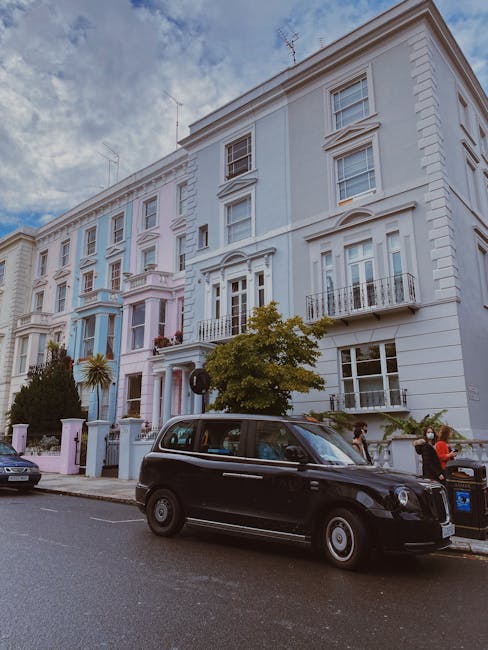
How We Moved a Victorian Home on Pembridge Villas, Notting Hill

Moving a Victorian home in Notting Hill is not the same as moving a standard terrace or a newer flat. The rooms are often deeper than they first look, staircases can be tight, access can be awkward, and the building itself usually asks for a bit more care than most people expect. In this guide, we explain How We Moved a Victorian Home on Pembridge Villas, Notting Hill, what made the move different, and the practical decisions that helped keep everything calm, safe, and efficient.
If you are preparing for a similar move, you will probably recognise the feeling: a mix of excitement, mild panic, and a long to-do list that seems to grow every time you open a cupboard. Truth be told, that is normal. The good news is that with the right planning, the right equipment, and a realistic approach to access and packing, a period-property move can be handled smoothly.
This article walks through why these moves matter, how the process works in practice, what to watch out for, and the best ways to protect both your belongings and the house itself.
Why How We Moved a Victorian Home on Pembridge Villas, Notting Hill Matters
Victorian homes are beautiful, but they can be a bit demanding on moving day. That is especially true on streets like Pembridge Villas, where access, parking, loading time, and neighbour awareness all matter. A move like this is not just about lifting boxes into a van. It is about handling a period property carefully, respecting the street layout, and making sure the whole day runs without unnecessary stress.
Older properties often come with features that change the moving plan: narrow entrances, steep staircases, tall sash windows, original floorboards, awkward corners, and rooms that seem to swallow furniture in one direction and trap it in another. If you have ever tried to turn a wardrobe around a landing in a house that was clearly not designed for modern sofas, you will know the feeling. A slight misjudge, and suddenly everyone is standing still, thinking. Not ideal.
This matters because the wrong approach can lead to scratched walls, damaged banisters, delayed loading, or even difficulty getting items out of the property at all. On a busy street in Notting Hill, it can also affect timing, parking arrangements, and the patience of everyone involved. Good planning prevents all of that.
There is also a trust element here. People moving from a Victorian home often have possessions that are older, heavier, or more delicate than the average flat move. Think antique sideboards, framed artwork, large mirrors, heirloom dining sets, and boxes packed years earlier that no one has opened since the last move. These items need judgement, not just muscle.
Key point: the complexity of a Victorian move is less about the distance and more about the details. That is where experience really shows.
How How We Moved a Victorian Home on Pembridge Villas, Notting Hill Works
The process starts long before the van arrives. In our experience, the best Victorian-home moves are the ones where the moving team has already thought through access, room order, packing priority, and loading sequence. It sounds obvious. It rarely is.
First comes a proper assessment. That means looking at the property layout, identifying awkward furniture, checking stair widths, planning how to protect walls and floors, and deciding what should be removed first. If the house has restricted front access or limited kerb space, that has to be built into the plan from the outset. You cannot really "sort it on the day" and expect a calm finish.
Then comes packing and preparation. Period homes usually contain a mixed range of items, from fragile decorative pieces to bulky furniture and heavy storage boxes. Packing is often organised by room and by priority. Essentials are separated out, breakables are wrapped properly, and larger pieces are prepared for safe carrying. For a smoother move, many people also use packing and boxes services or a fuller packing and unpacking service when time is tight or the volume is high.
On moving day itself, the sequence matters. Items are usually moved from the upper rooms down in a controlled order, with the team keeping a close eye on door frames, stair turns, and the weight distribution inside the vehicle. Heavy items are not just thrown in; they are placed to reduce movement and protect more delicate goods. That bit is not glamorous, but it saves a lot of grief later.
For a property like this, a suitable vehicle is only part of the picture. A well-sized moving truck or van, matched to the access conditions, helps the team work efficiently without overhandling items. In some cases, a smaller vehicle can actually be the smarter choice if the street layout is tight. Bigger is not always better. London has a way of reminding you of that.
Finally, the unloading stage is done room by room, with furniture placed where it is needed rather than dumped into a single pile and forgotten about. It makes the first evening in a new home far less chaotic. You know the kind of chaos: kettle nowhere, bedding sealed in the wrong box, and everyone asking where the charger went.
Key Benefits and Practical Advantages
A well-managed Victorian house move offers more than convenience. It can genuinely reduce risk, save time, and make the whole experience feel manageable. That is worth a lot when you are juggling paperwork, keys, boxes, and the emotional side of leaving a place that may have many memories attached to it.
- Less damage risk: careful handling protects plaster, paintwork, bannisters, and flooring.
- Better timing: a plan based on the property layout avoids wasted movement and repeated lifting.
- Improved safety: experienced movers understand how to carry awkward items without rushing.
- Reduced stress: the move feels orderly instead of chaotic.
- More suitable vehicle choice: the right van or truck helps with access and loading efficiency.
- Cleaner unpacking: room-by-room delivery makes settling in faster.
There is also a practical financial benefit. A move handled properly is less likely to suffer from avoidable breakage or last-minute delays. Nobody likes paying twice for a mistake that could have been prevented with ten minutes of planning.
Another advantage is that a good moving plan gives you breathing space. When each stage is mapped out, you can focus on decisions that actually need your attention, rather than firefighting every small issue. That alone can make the day feel lighter.
| Consideration | Standard move | Victorian home move on Pembridge Villas |
|---|---|---|
| Access | Often straightforward | May involve narrow stairways, tighter entrances, and parking planning |
| Furniture handling | Usually routine | May involve antiques, heavy period pieces, and delicate finishes |
| Packing priority | General room packing | Room-by-room and protection-led planning is usually better |
| Risk points | Minor | Walls, floors, corners, and banisters need extra attention |
| Best approach | Standard removals plan | Tailored assessment and careful loading sequence |
Who This Is For and When It Makes Sense
This type of move is right for anyone leaving or entering a Victorian property in Notting Hill where the building layout or access needs a bit of specialist handling. That includes families, downsizers, landlords, homeowners, and buyers moving into period houses that have character in abundance and convenience in short supply.
It also makes sense if you have one or more of the following:
- large furniture that needs dismantling or careful manoeuvring
- fragile items, antiques, or artwork
- a staircase that feels like it was designed for smaller furniture and smaller people
- restricted parking or loading access
- a short moving window where time really matters
- storage needs before or after completion
Some moves are simply more efficient with a little extra support. If you are moving from a compact top-floor flat, you may want a lighter approach. If you are moving a full house with multiple rooms, family furniture, and a fair amount of "where on earth did all this come from?" clutter, a more comprehensive service is often the sensible choice.
For homeowners balancing sale dates, completion delays, or temporary storage, services such as storage can be useful. And if the move is part of a wider property change, looking at home moves or broader removal services can help you understand what level of support fits your situation.
Step-by-Step Guidance
Here is the practical flow we recommend for a Victorian house move on Pembridge Villas or a similar Notting Hill street.
- Survey the property properly. Measure the large pieces, check staircase turns, note any low ceilings, and identify access restrictions.
- Decide what needs specialist care. Mark fragile, valuable, or unusually heavy items early. Do not leave this until the night before. That is how mistakes sneak in.
- Declutter before packing. The less you move, the easier the day becomes. Old magazines, spare chairs, and "temporary" storage boxes have a way of multiplying.
- Book the right vehicle and team size. Match the van or truck to the route, parking, and volume of items. A smart fit matters more than simply going bigger.
- Prepare the property. Use floor and wall protection where needed, clear walkways, and make sure keys, documents, and essentials are easy to reach.
- Pack by room and priority. Label boxes clearly and keep a separate essentials box for the first night.
- Load in a planned order. Heavy items first, fragile items secured, and furniture arranged so it does not shift in transit.
- Unload with placement in mind. Put items into the correct rooms so unpacking is easier later on.
- Check everything before finishing. Do a final walkthrough, confirm nothing is left behind, and inspect for any access or handling issues.
One useful real-world tip: if a piece of furniture looks like it might fit, assume it will fight you for the final inch. Measure it. Then measure again. The old houses of Notting Hill have a talent for making people optimistic and then humbling them at the landing.
For more complex moves, some people also combine removals with a smaller man and van style setup for part of the job, especially if storage runs or extra collection trips are needed. In other cases, a full house move service is the cleaner option.
Expert Tips for Better Results
Small decisions make a big difference in period-property moves. Here are the details we would never skip.
- Protect the route first. Floors, thresholds, and corners are the first places to suffer if you do not prepare them.
- Disassemble early where possible. Beds, table legs, and shelving units are easier to handle when broken down before moving day.
- Label with purpose. Don't just write "kitchen". Write "kitchen - daily use" or "kitchen - glassware". It saves time later.
- Keep a tool kit close. A screwdriver, tape, gloves, and basic fixings can rescue a surprising number of situations.
- Think about the street, not just the house. Parking, loading bay rules, and neighbour timing can shape the whole day.
- Protect the delicate stuff twice. Mirrors, lamps, and framed art often need more wrapping than people first assume.
- Have a plan for the first evening. Bedding, toiletries, chargers, tea bags, and documents should be easy to reach.
If you have ever moved and found yourself drinking tea from an unpacked mug while standing next to seven identical boxes, you will appreciate that one. The first few hours in the new place matter. A little order goes a long way.
Another good habit is to keep valuables and critical paperwork with you rather than loading them with the main furniture. That sounds simple, but under pressure, simple things get forgotten. It happens more often than people admit.
Common Mistakes to Avoid
Most moving problems are not dramatic. They are small errors that stack up. That is what makes them annoying.
- Underestimating access issues: assuming the staircase or doorway will be fine can lead to delays or damage.
- Packing too late: rushed packing leads to poor labelling, weak boxes, and broken items.
- Choosing the wrong vehicle size: too small means repeated trips; too large can create access trouble.
- Leaving fragile items unprotected: period homes often contain glass, ceramics, and artwork that need proper wrapping.
- Ignoring parking and loading rules: in London, that can become a very expensive oversight.
- Not separating essentials: if you cannot find chargers, documents, or bedding, the first night becomes harder than necessary.
Another mistake is trying to do everything yourself simply to save money, without considering the risk. To be fair, a small move can sometimes be handled that way. A full Victorian house move? That is a different beast. Not impossible. Just more demanding than people first think.
If cost is a concern, it is worth looking at transparent options rather than making assumptions. The pricing structure for a move can vary based on access, volume, timing, and service level. You can review pricing and quotes to get a clearer idea of how different choices may affect the total.
Tools, Resources and Recommendations
A smooth move usually depends on a handful of practical tools and resources, not magic. Sadly.
Useful moving equipment:
- sturdy boxes in a range of sizes
- bubble wrap or protective wrapping for fragile items
- packing paper for glassware and decor
- labels and markers
- tape, scissors, and basic hand tools
- furniture blankets and floor protection
- trolleys or sack trucks for heavier pieces
Useful service considerations:
- full house removals for larger properties
- specialist handling for awkward or high-value items
- temporary storage where completion dates do not align
- packing support when time is short
- smaller van support for local trips or extra collections
Depending on your move, a specialist like house removals or house removalists may be more appropriate than a simple point-to-point van hire. If you are comparing the pros and cons of different providers, it can also help to read about removal companies and the different ways they structure support.
If bulky or unwanted furniture is part of the process, a separate plan for disposal or collection may be needed. In some cases, furniture removals or furniture pick up services can reduce clutter before the main move. That small step can make the whole job feel lighter.
Law, Compliance, Standards, or Best Practice
When moving in London, compliance is mostly about common-sense planning done properly. You are not just moving boxes; you are working within a busy urban environment where access, parking, neighbours, waste handling, and safety all matter.
Best practice usually includes the following:
- Safe manual handling: heavy or awkward items should be lifted and carried with proper technique and enough people.
- Property protection: use coverings and careful route planning to avoid damage to floors and fixtures.
- Parking awareness: check the practical rules for loading and unloading, especially on narrow residential streets.
- Insurance awareness: understand what is covered and what responsibilities sit with the mover and the client.
- Waste responsibility: if items are being discarded, they should be handled properly and responsibly.
If you are disposing of bulky items, use a proper plan rather than leaving them on the street and hoping for the best. That route tends to end badly. A useful starting point is understanding recycling and sustainability as part of the move, especially when furniture, packing waste, or redundant household items are involved.
Safety and accountability also matter. A provider should be able to explain its approach to health and safety and insurance and safety in plain language. If a company cannot do that clearly, that is worth noticing. Quietly, but definitely.
For more detailed business practices and terms, the company's terms and conditions, privacy policy, and payment and security pages are the sensible places to check. Those details are not glamorous, but they do matter.
Options, Methods, or Comparison Table
Not every move needs the same level of support. The right method depends on volume, access, budget, and how much stress you want to carry on the day. Some people want a lean setup. Others want the whole thing handled from start to finish. Fair enough either way.
| Method | Best for | Strengths | Trade-offs |
|---|---|---|---|
| Full house removals | Larger Victorian homes and full household moves | Best for planning, safety, and efficiency | Usually the most comprehensive option |
| Man and van | Smaller loads, lighter moves, or supplementing a larger plan | Flexible and often practical for short-distance local work | May not suit heavy, high-volume, or highly complex moves |
| Packing support only | People who want help preparing items but not the whole move | Reduces stress and improves packing quality | You still manage transport and coordination |
| Storage plus move | Completion gaps, refurbishment, or staged relocation | Useful when timing is uncertain | Adds an extra logistical step |
For many Pembridge Villas properties, a full-service approach is the cleanest option. But if you have a lighter move or just need help with part of the process, a man with a van or man with van solution may be enough. There is no single right answer. The best choice is the one that fits the house, not the other way around.
Case Study or Real-World Example
Here is a realistic example based on the kind of move we see in Notting Hill. A Victorian family home had multiple floors, a heavy dining table, framed artwork, a few awkward antique cabinets, and a set of boxes that had clearly been packed in stages over several weeks. One room was fully ready. Another was, frankly, a bit of a treasure hunt.
The main challenge was access. The stair layout was tight, and the larger items needed careful rotation to avoid marking the walls. So we started with the pieces most likely to cause problems, not the easiest ones. That is a small but important detail. You do not want to save the difficult item until everyone is tired and the clock is ticking.
We separated fragile items early, protected the floors at key traffic points, and kept the loading route clear. A second person was assigned to guide larger furniture through turns, while smaller boxes were moved in steady runs. Nothing dramatic, just disciplined work. The sort of thing that looks ordinary from the outside but saves the day behind the scenes.
The result was a calmer move, fewer handling risks, and a faster settle-in at the new property. The homeowners could focus on placement and unpacking rather than dealing with damage or confusion. Not every move is picture-perfect, but when the plan is right, it feels manageable. And that changes everything.
If you are comparing local removal support, it can also help to read background information such as about us and service-related guidance in the blog. The blog section includes practical Notting Hill-specific topics like parking suspensions and moving vans in Notting Hill W11 and avoiding hidden fees in removals pricing, both of which are genuinely useful when planning a move.
Practical Checklist
Use this checklist to stay organised in the final stretch.
- Confirm the moving date and access times
- Measure large furniture and key doorways
- Book the right van or removal team
- Arrange parking or loading access where needed
- Pack fragile items separately and label them clearly
- Prepare floor and wall protection for high-traffic areas
- Set aside essentials for the first 24 hours
- Keep documents, keys, and valuables with you
- Check whether anything needs storage
- Plan disposal or donation of unwanted items
- Do a final room-by-room walkthrough
- Inspect for damage and confirm nothing has been left behind
Expert summary: the best Victorian-home moves are not the fastest ones on paper; they are the ones with the fewest surprises. That usually comes down to planning access, protecting the property, and keeping the move sequence simple enough that everyone can follow it without stress.
Conclusion
Moving a Victorian house on Pembridge Villas is a very specific kind of job. It combines the charm of a period property with the practical challenges of London access, careful packing, and thoughtful handling. When done well, it feels almost calm. Not effortless, because let's be honest, moving never is. But calm enough that you can breathe and get on with the exciting bit: settling into a new home.
The key is to treat the move as a project, not just a pickup. Plan the route, protect the house, choose the right support, and keep the essentials close. If you do that, you give yourself a much better chance of a smooth day and a more comfortable first night.
If you are planning a similar move, take the time to compare service levels, check access carefully, and choose a team that understands period homes and London streets. That little bit of extra care can make all the difference.
Get a free quote today and see how much you can save.
And if all you do next is measure the stairs and label the kettle box, that is still a solid start. One step at a time.
Frequently Asked Questions
How do you move a Victorian home without damaging the property?
The safest approach is to protect floors and corners first, measure bulky furniture in advance, and use a moving plan that matches the staircase and access points. Slow and steady beats rushing every time.
Why is moving on Pembridge Villas more complicated than a standard move?
Older homes in this part of Notting Hill often have narrow access, period staircases, and parking or loading constraints. Those details affect timing, vehicle choice, and how furniture should be carried.
Do I need a full removals service for a Victorian house move?
Not always, but full removals are usually the most practical option for larger homes, heavy furniture, or complex access. Smaller moves may work with a lighter service, depending on volume and timing.
How far in advance should I arrange the move?
As early as you can, especially if you need a specific date, extra packing support, or storage. Victorian-house moves benefit from proper planning, not a last-minute scramble.
What should I pack separately for the first night?
Keep bedding, toiletries, chargers, key documents, basic kitchen items, and a change of clothes easily available. It saves you from digging through ten boxes after a long day.
Can a man and van service handle a Victorian property?
Sometimes, yes, especially for smaller loads or local trips. But for a full house move with awkward furniture and tight access, a more complete removals setup is often safer and more efficient.
How do I prepare fragile antiques or artwork?
Wrap them carefully, separate them from general boxes, and make sure they are loaded in a way that limits movement. If something is especially valuable or delicate, it deserves extra attention and maybe a specialist approach.
What if I need temporary storage?
Storage can be very useful if move dates do not line up or if you are staging the move in phases. It is worth considering early rather than treating it as an emergency fix.
Are there compliance issues I need to think about in London?
Yes, mainly around safety, parking, and waste handling. It is sensible to check the moving company's policies on health and safety, insurance, and responsible disposal before booking.
How can I keep removals costs under control?
Declutter before the move, pack in an organised way, choose the right service level, and make access as straightforward as possible. A clean plan usually keeps costs steadier than a chaotic one.
What happens if furniture will not fit through the staircase?
That is why measuring matters. In some cases the item can be dismantled, turned carefully, or taken by a different route. If none of those work, you may need to rethink the move plan before the day arrives.
Is it worth reading the removals company's policies before booking?
Definitely. Clear information about insurance, payment, health and safety, and terms gives you a much better sense of who you are hiring and what to expect. It is one of those boring jobs that pays off.